Research
IMR Outcomes: January 2014 Through June 2017
An analysis of the volume and outcomes of Independent Medical Reviews based on determination letters issued from January 2014 through June 2017.
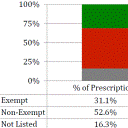
California WC Formulary – Part II: A Review of the July 2017 Proposed Formulary Drug List of Exempt and Non-Exempt Drugs
A CWCI Spotlight Report uses 2015 and 2016 workers' comp prescription drug data to measure the potential impact of DWC's proposed Formulary.
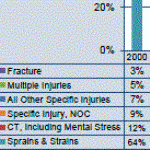
Spinal Fusion Claims in California Workers' Compensation
CWCI's analysis of the utilization trends, costs, and characteristics of spinal fusion claims in California workers' compensation.
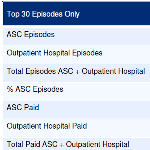
Ambulatory Surgery Center Cost Outcomes Follow-Up Study: The Impact of SB 863 WC Reforms
Average facility fee payments to ambulatory surgery centers have declined 27% per episode and 29% per procedure since ASC fee schedule changes mandated by SB 863 were adopted in 2013. Click here for the full report published jointly by CWCI and the WCIRB.
Injury Classification in California Workers' Comp, Part 1: Medical Coding During the ICD-10 Transition
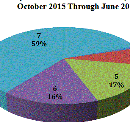
A new analysis on the use of ICD-10 codes in California workers comp during the transition from the ICD-9 system finds that 99 percent of submitted medical bills used ICD-10 codes and, as expected, a wider range of codes were provided than in the past, but many lacked the additional characters that better define the injury, identify the type of encounter and improve communication.
Part 1: Schedule II and Schedule III Opioids: Prescription and Payment Trends in California Workers' Compensation
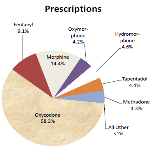
A CWCI Research Update finds the use and cost of Schedule II and Schedule III painkillers to treat California injured workers has remained at record levels since 2010 and takes a fresh look at the prescribing patterns of doctors who write Schedule II opioid prescriptions.