Research
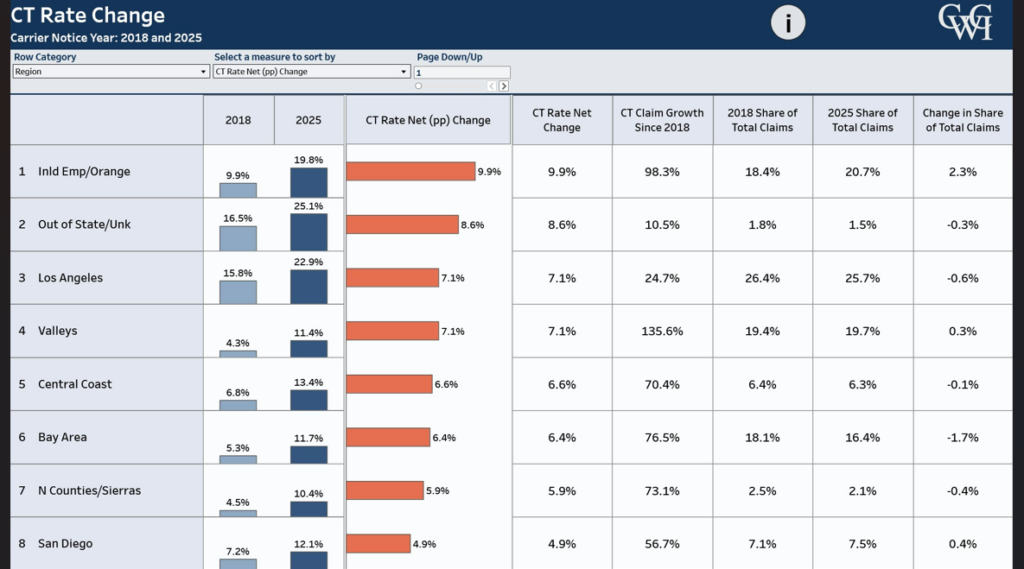
For Members Only: Introduction to CWCI’s Cumulative Trauma Rate Interactive Application
A CWCI Interactive Research Report that provides an overview of the Institute’s Cumulative Trauma Rate Interactive Application, which features the primary IRIS metrics analyzed in the Institute’s August 2026 Report to the Industry, Calif CT Claims: 2018–2025: Trends and Factors Associated with Growth. The Interactive Research Report serves as a helpful users’ guide to the Application, reviewing its features and analytical capabilities, and providing screenshots and descriptions of each of the five data dashboards available to CWCI members.
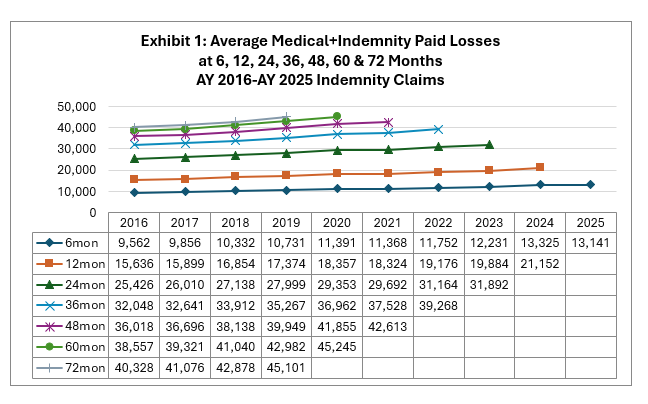
CWCI Study Examines AY 2016-2025 Loss Development
Loss Development Over the Past Decade: The pandemic temporarily disrupted California workers’ comp loss trends but did not stop the steady growth in medical and indemnity claim costs, and a new CWCI study indicates that medical costs may be accelerating in the post-pandemic era. More details are available under the news tab and in Bulletin 26-13, and the full report is available for free to members and subscribers and for $21 for non-members who call 510-251-9470.
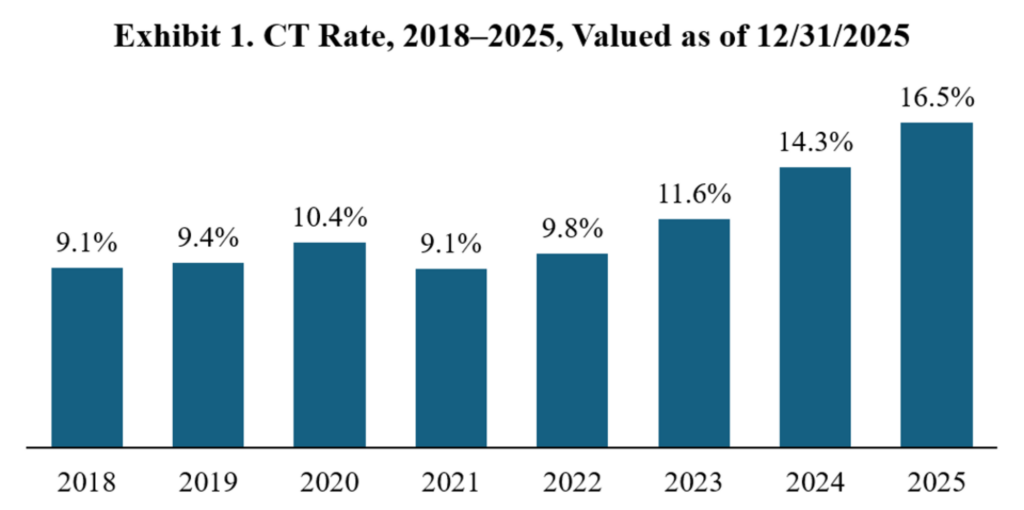
Calif CT Claims: 2018–2025: Trends and Factors Associated with Growth
A new CWCI study finds that the growth of CT claims in California workers’ comp cannot be fully explained by factors such as employment or population growth, overall claim frequency, or changes in the composition of the workforce. Instead, the increase appears to reflect broader structural changes within the system, with one of the most notable developments being the geographic expansion of Southern California applicant attorneys into other regions of the state. The report may be downloaded for free from the Research section of our website.

Medical Inflation and Cost Drivers in the California Workers’ Compensation System
CWCI’s follow-up study on medical inflation in California workers’ comp reviews prices, utilization and billing practices across major medical service categories. The report traces much of the recent growth in medical costs to the increased use of unlisted billing codes which are not subject to fee schedule price controls, especially for professional services and DMEPOS. The full report is free to members and subscribers by calling 510-251-9470, others may purchase a copy for $23.
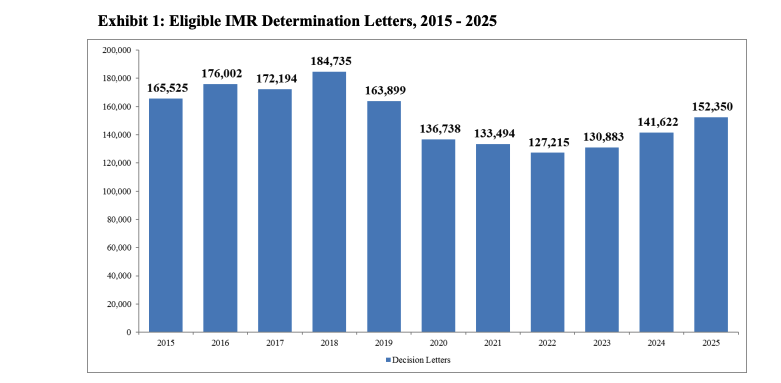
IMR Trends and Outcomes, 2015-2025
A new CWCI Research Update report provides new data on IMR volume and outcomes over the 11-year period ending in 2025. The report notes the post-pandemic growth in IMR activity as changes in the geographic concentration of IMR in California, the mix of service and drug disputes that are submitted to IMR, and the uphold rates for the various types of disputes, the modification rates for key service categories, and the percentage of IMRs coming from high-volume physicians.
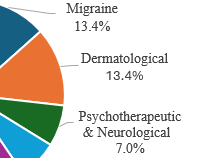
Emerging Drug Classes in California Workers’ Comp: Psychotherapeutic & Neurological Drugs
Emerging Drug Classes in California Workers' Comp: CWCI's latest analysis of prescription drugs used in California workers' compensation focuses on Psychotherapeutic & Neurological Drugs — a drug group that represents a tiny share of all prescriptions dispensed to injured workers, but that has emerged as one of the top ten costliest drug groups in California workers' compensation due to the use of high-priced, specialty medications.