Research
Schedule II Prescription & Payment Distributions in California WC: 2005 – 2008
California workers' compensation law provides that injured workers are entitled to all reasonable and necessary medical care to cure or relieve the effects of a work-related injury or illness.
Clinical Severity in Workers' Compensation Inpatient Care
This Research Abstract measures differences in inpatient admission characteristics, hospital resource use and clinical severity between California's workers compensation, group health and Medicare systems. The results challenge the perception that workers compensation admissions are "more difficult" to treat than patients from other systems.
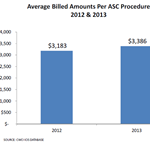
CWCI/WCIRB Study Finds Average ASC Facility Fee Payments Down 26 to 28 Percent Under Revised Fee Schedule
Preliminary data show average facility fee payments to ambulatory surgery centers have declined 26 percent per episode and 28 percent per procedure since fee schedule revisions took effect January 1, 2013.
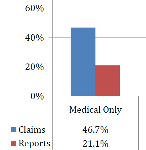
Benchmark Data on Physician Reporting in California Workers' Comp Prior to Adoption of the RBRVS Physician Fee Schedule
A new CWCI study finds that the average number of medical reports per claim provided by California workers comp treating physicians to claims administrators rose steadily for more than a decade prior to the adoption of the RBRVS fee schedule, fueled in part by increases in the average number of E/M services per claim and in the number of physician reports per E/M service, but claims organizations note that reports still dont always meet regulatory requirements or include all of the information needed for effective claims management.
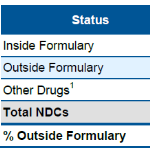
Are Formularies a Viable Solution to Controlling Prescription Drug Utilization and Cost in California WC?
A new CWCI study assesses the potential impact of a state-mandated drug formulary in California Workers' Compensation.
California Workers Compensation Medical and Indemnity Benefit Trends, AY 2002 – 2014
A new CWCI study monitors the growth in California Workers' Compensation medical and indemnity payments from accident year 2002 to accident year 2014.