Research
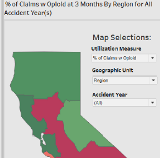
CWCI Prescription Drug Interactive Tool
An online application that CWCI members can use to examine and compare industrywide prescription drug data derived from 12.5 million prescriptions dispensed to injured workers between January 2007 and June 2017.
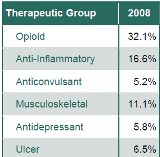
California Workers' Compensation Prescription Drug Distributions & Opioid Trends
A CWCI Research Update report shows changes in California workers' comp prescription drug and payment distributions by therapeutic drug group and provides detailed information on the latest opioid trends.
Inpatient Hospital Utilization in California WC, 2008-2014
CWCI study quantifies reductions in WC, Medicare, Private Plan and Medi-Cal inpatient hospitalizations since 2008, identifies the most common WC inpatient diagnosis-related group codes (MS-DRGs); calculates average charged and paid amounts for the top 10 WC inpatient MS-DRGs; and measures changes in the volume of implant-eligible spinal surgeries and in the proportion of spinal fusion MS-DRG discharges to total discharges across time for each payer group.
California Workers' Compensation Medical Payments, Litigation, and Claim Duration A Post-Reform Report Card
The Institute has published a report on a study linking increased litigation, claim duration and medical payments to judicial, legislative and regulatory changes implemented in the three years following enactment of the 1993 California workers compensation reforms.
Revisiting 24-Hour Health Care Coverage and Its Integration With the California Workers' Comp System
A CWCI white paper that examines the issues, opportunities, and unresolved problems surrounding the integration of California workers' comp into a 24-hour system.
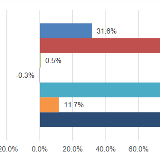
Changes in the QME Population and Medical-Legal Trends in California Workers' Compensation
This study tracks changes in the composition of the Qualified Medical Evaluator (QME) population in California workers' compensation in terms of medical specialty representation and geographic availability, comparing data on medical providers certified as QMEs in 2012 and in 2017. The study also uses 2007 – June 2017 claims data to examine changes in the level of services rendered by evaluators, the mix of services, average payments for all medical-legal services and for specific levels of service, and the proportion of evaluations performed by AMEs vs. QMEs.