Research
Functional Restoration Programs in the California Workers' Compensation System
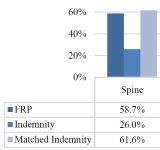
A CWCI Report to the Industry examines the characteristics of injured workers approved for FRPs and how these programs have been implemented in the California workers comp system. For its analysis, CWCI compiled a sample of 635 indemnity claims that involved FRPs from the UR systems of 6 California workers comp insurers and used demographic, bill review, and medical management data to compare the FRP claims to a sample of non-FRP indemnity claims to determine how they differ in terms of claim characteristics, geographic region, and clinical conditions. For a more precise assessment of FRP vs. non-FRP treatment costs, TD duration, and claim duration, FRP claims were also compared to a matched sample of non-FRP indemnity claims that had similar clinical, demographic, and claim characteristics. The report evaluates whether participants in the study population met the eligibility criteria outlined in the MTUS guidelines, how services were delivered in practice, and the extent to which delivery aligned with MTUS recommendations; analyzes FRP utilization and cost patterns, compared to conventional pain management and compares medical costs and claim duration between FRP and matched non-FRP claims.
Legislative Impact Analysis: SB 632
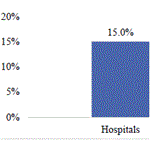
A CWCI Legislative Impact Report examines SB 632, a bill that would give acute care hospital workers who provide direct patient care presumptions of compensability for 9 categories of injuries, encompassing more than 250 ICD-10 codes.
Long COVID-19 Claim Characteristics and Treatment in California Workers' Compensation
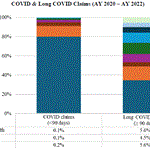
CWCI's analysis examines the various characteristics of Long COVID claims in California workers' compensation, including the distribution of claims by diagnostic category and affected body part, the mix of treatment payments among medical service categories at different points of development, and demographic differences between Long COVID and shorter duration COVID claims. The Research Note is posted under the Research tab and is available to CWCI members and subscribers who log in. Others can purchase a copy from the Store.
CWCI Updates Inpatient Hospital Utilization Application and Issues Interactive Research Report
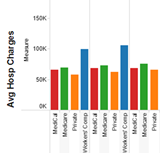
A CWCI Interactive Research Report based on the latest update to the Institute's Inpatient Hospital Utilization Application which now includes inpatient hospital discharge data for CY 2012 through CY 2023 compiled by the California Department of Health Care Access and Information (HCAI). The report provides a refresher on how the application is formatted and can be used, and highlights some of the latest results and trends, including data that can be used to track and compare changes in the volume of inpatient hospitalizations paid under California workers' compensation, Medicare, Medi-Cal, and private coverage since 2012.
The Impact of Medical Inflation on California Workers' Compensation
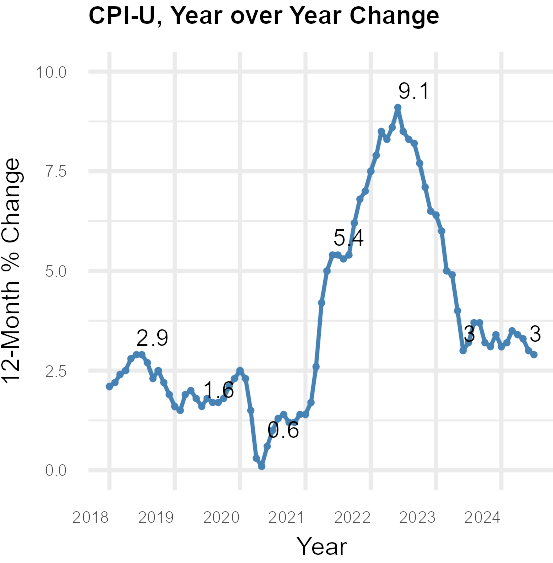
A new CWCI Report to the Industry explores how medical inflation impacts allowable fees under the California Official Medical Fee Schedule (OMFS).
Opioid Prescribing for Injured Workers Covered by California Workers Compensation System and Other Payers: 2017-2023
A CWCI Report to the Industry analyzes 2017-2023 opioid prescription data extracted from the California Department of Justices Controlled Substance Utilization Review and Evaluation System (CURES) database to track opioid utilization in the state, noting the percentage change in the number of opioid patients overall and within the workers compensation system from 2017 through 2023. The report measures changes in the average strength of the daily dose of morphine equivalents (the morphine equivalent dose or MED) and the average duration of opioid use for workers comp opioid patients and compares the results to the treatment guideline recommended levels to identify the proportion of patients whose opioid use exceeded guideline recommendations and how these proportions changed over time.