cwci logo
Sign In

Our online store is currently undergoing maintenance to improve your experience. If you have any questions, please contact us at info@cwci.org.

Communications / Technical Issues / Technical Issue

Results of CWCI Survey on Telemedicine/Other Claim Administration Changes

Date: 03/24/2020

Last week the Institute surveyed our members to gather industry input on some of the changes that are being proposed to the med-legal process, as well as other challenges of delivering benefits and administering claims during the COVID-19 crisis.  We wanted to gauge how ready and willing claims organizations are to leverage telemedicine for QME evaluations and other services. 

The Institute would like to thank everyone who responded to the survey on short notice.  Many of the comments received provided valuable insight on where and when telemedicine could be viable, as well as issues that will need to be addressed to implement this type of change.  We will be sharing the de-identified results of the survey with the DWC Administrative Director who asked us to gather the opinions, suggestions, and comments from our members on these potential changes.   

Each of the questions from the survey, along with the results and comments received for that question, are summarized in the following pages. 

Question 1:  Your organization is able to provide injured workers with basic resources to be able to participate in a telemedicine evaluation from their home (e.g., sending a link to download and install an app on the claimant’s smartphone).
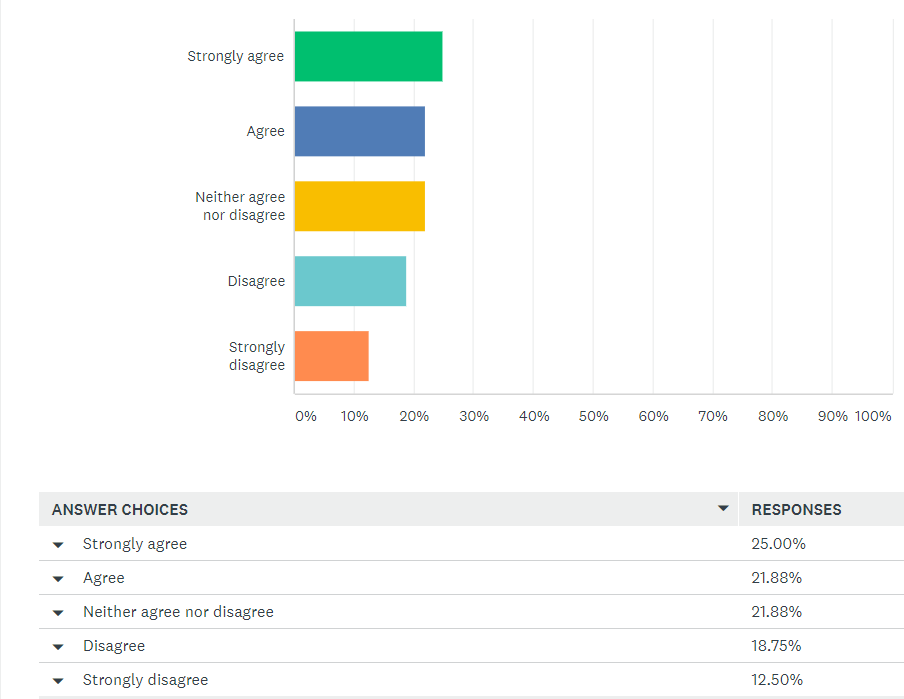
Comments:

  • Available equipment and the claimant’s willingness to participate will be important.

  • Our MPN has a strong telemedicine presence

  • >Many of our members have limited access to the internet because they are in remote areas throughout California.

  • May need assistance of Drs office to send link.

  • My TPA would have to originate this.

  • Some insureds can sign up for telemedicine but it depends on whether the insured has a smartphone.

  • Some of our providers have these services.

  • The medical provider will be responsible for providing the secured link and app.  Some providers currently have the ability to provide such, but many do not.

  • The QME should provide this; we do not think we have that capability.

  • This will be a challenge for monolingual employees.

  • This would require an update to our notices.

  • Unclear what basic resources are. If claimant doesn’t have resources, we can’t provide.  We can forward a link as needed, but can’t support the claimant regarding how to download and use, or if technical problems arise.

  • We do have a telemedicine program but it uses the providers’ infrastructure.

  • We do not sufficiently track if our injured workers have a smartphone and/or email address, so this would have to be a pretty manual process, but could work.

  • We have an aged book. Majority of our injured workers are not tech savvy.

  • We have existing relationships with vendors who have this capability.

  • Our organization can provide injured workers information on how to access telemedicine via email, text, or our company’s app. However, we do not provide equipment such as computers, iPads or smart phones.


Question 2:  Your organization is able to provide injured workers with more expansive resources to be able to participate in a telemedicine evaluation from their home (e.g., delivery of a monitoring or diagnostic device to the claimant’s home, with instructions).
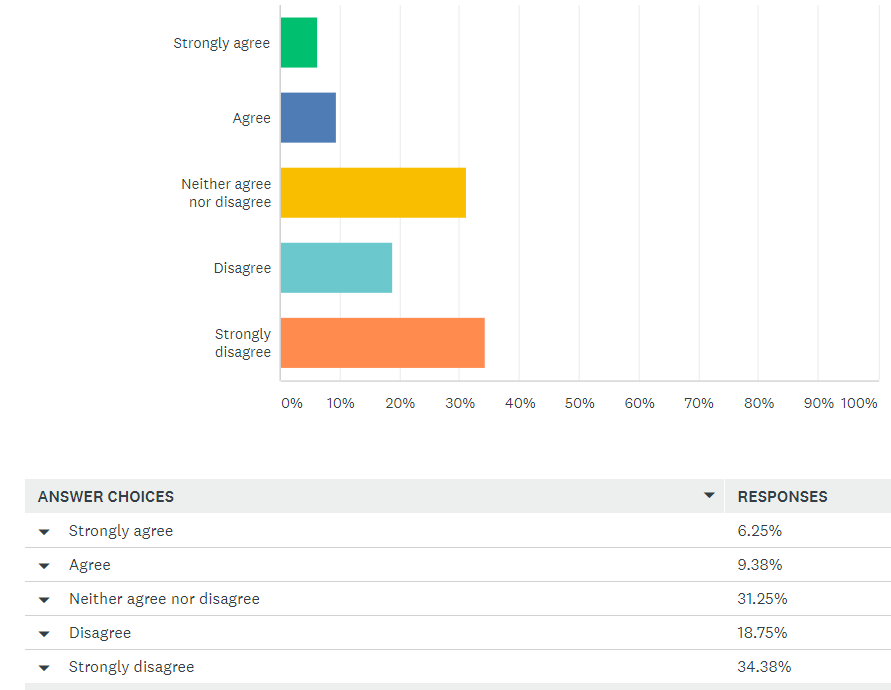
Comments:

  • Currently, the funding source is not available.

  • It would depend upon what the need is and the condition of the patient.

  • No, and all our folks working from home have no back office.  We also would not provide monitoring or diagnostic devices and why would a QME require for an evaluation?

  • Not currently set up.

  • Pending research on this one.

  • The doctors’ offices or another vendor would need to provide this specialized equipment.

  • Some of our providers have these services.
  • We don’t have a mechanism in place to do this right now but might be able to use one of our vendor partners.

  • We would need to work with a vendor to do this.

  • Would have to check with the TPA regarding their capability.


Question 3:  In what situation(s) would your organization consider consenting to the use of telemedicine in the med-legal realm?

Comments:

  • Evaluations not dependent on physical exams/measurements or that need special diagnostic tests.

  • Telemedicine could be used for all specialties (only during the emergency period) for AOE/COE determinations and possibly for an MMI evaluation in specialties other than orthopedics.  There would have to be an agreement by the parties to such an evaluation.

  • During the current emergency we support the use of telemedicine.

  • For psych exams & exams that don’t require physical examination; maybe some AOE/COE-only evals.

  • Dependent on whether both parties consent.

  • We will consider it under the present circumstances.

  • The present statewide “shelter at home” order makes this an important possible option.

  • I think it’s worth a try especially if COVID-19 is extended beyond 60-90 days.  We need to keep these cases moving.  If the med-legal providers have the proper set up and are able to address the situation professionally, then we are all for it.

  • Would really depend on the case (namely injury type and whether we had any concerns regarding the viability of the claim in question that would require a face-to-face visit with a physician.)

  • Limited to those cases in which both parties agree to the virtual exam, and only during the crisis period.  Simple injuries that do not require hands-on examination and psych injuries would be good use cases.

  • For a simple injury, i.e., one body part, or physical injury only involving one region of the body.

  • We would consider using QMEs via telemedicine on as many claims as feasible.

  • This has not been a consideration.  The QME process is a state regulated program that we adhere to.  If we had the option to offer telemedicine services, we would want to know how accurate the doctor’s reports would be in comparison to current evaluation methods.

  • In most situations.  The only issue may be with neurological weakness, but we believe that most doctors would be able to assess this.

  • When all the issues can be addressed without performing a physical exam.

  • Open to any and all recommendations for telemedicine and med-legal.

  • All including PQME/AME.

  • Psyche for sure.  We are willing to be flexible on other specialties; but would like opportunity to send follow-up questions if need be.

  • AOE/COE evaluation with QME taking history by phone/skype.  Some QMEs may be able to report with record review/history but no physical exam.  Psych evals.

  • Cases where minimal range of motion testing is needed.

  • The rare occasion for a specialty with limited availability where the injured worker would have to travel a significant distance or lives out of state.

  • Covid-19 is a good situation.

  • AOE/COE and TD eligibility issues can be addressed by primary treating physicians.  Telemedicine services are currently available with treating physician providers.

  • Cancer and heart presumption claims where the medical record and testing is fully developed.

  • WCAB has rejected reports generated through telemedicine, so we would prefer to re-schedule exams to a later date rather than allow them to proceed remotely.

  • We would agree on the use of Telemedicine for all PQME/AME exams if the logistics of diagnostics can be properly addressed.

  • Telemed will be new to most employees.  We offer it for regular appointments, but no takers.

  • On claims in urban areas and where there are issues of malingering or AOE/COE.

  • For conditions that don’t require a “hands-on” exam, i.e., many or most orthopedic conditions.


Question 4.  In what situation(s) would your organization never consider consenting to the use of telemedicine in the med-legal realm?

Comments:

  • MMI evaluations for orthopedic conditions.

  • We would not consider telemedicine in the med-legal realm.

  • Under normal circumstances we would not support telemedicine for med-legal exams for orthopedic or other physical injuries.

  • Situations requiring physical examination to determine the extent of impairment (orthopedic, etc.).

  • Dependent on whether both parties consent.

  • If conditions where dependent upon physical examinations to have reliable opinions we would not use such an approach.

  • Not sure, given the present “shelter at home” order.

  • We are open to it.  Complex/Multiple issues may be difficult for the provider to address, but we are willing to try.  If for some reason telemedicine doesn’t work, we should not be penalized to pay twice for the evaluation. Just something to consider.

  • Cases with medical causation issues or AOE/COE issues that would need a face-to-face visit with testing/measurements to prove/disprove an issue.

  • Very complex injuries, injuries requiring a hands-on exam or diagnostic tests to evaluate properly.

  • Complex issue, including multiple body parts and conditions; multiple co-defendants and dates of injuries. Psyche, internal, asbestos, sports claims.

  • We are proponents of technology and would consider it in most cases.  However, it would likely be a case-by-case review for appropriateness.

  • Claims personnel I polled would not be comfortable using telemed as the complexity of the claim increases.

  • Can’t think of any that we wouldn’t consider under the current circumstances. We have to remember that the ratings are not as scientific as many would like to believe — this is a means to an end to resolve a dispute or determine a final settlement.

  • When a physical exam is required to address any issue.

  • Severe injuries including loss of limb and threat of life.

  • It is hard to anticipate the universe of potential issues that could arise; if the med-legal question is ending, starting, benefits that seems doable; but there might be fact dependent situations that might need to be hammered out for other benefits/issues with the applicant atty., or injured worker and the QME/AME

  • Hesitant to say never, fact dependent.  Ortho evaluations would be difficult due to need to take measurements, etc.

  • AOE/COE determinations, we’d prefer if the doctor was able to see the injured worker in person.

  • We’re open to it, therefore, allowing the claim to keep moving.

  • Routine QME evaluations to determine PD and FM issues.

  • Orthopedic, psychiatric, & CRPS claims including continuous trauma and multiple injury claims.

  • I’d say that never is a strong word and there is an exception to every rule.  I’d think that we would consider it if an IW were permanently unable to attend an appointment for some reason.  This pandemic should pass at some point and we should be able to send IWs to in-person evaluations.

  • Where the physical examination is necessary for the physician to properly assess questions of malingering and/or veracity of pain levels.

  • We have no objections.

  • In remote areas or where there are disputed issues like malingering or AOE/COE.

  • We would prefer to avoid a telemedicine exam for “hands-on” orthopedic evaluations.


Question 5:  During the present COVID-19 crisis, the DWC Medical Unit should permit remote telemedicine evaluations instead of in-person examinations per §4062.1 and/or §4062.2 in order to avoid appointment cancellations, delays in reporting, and interruption of the med-legal process.
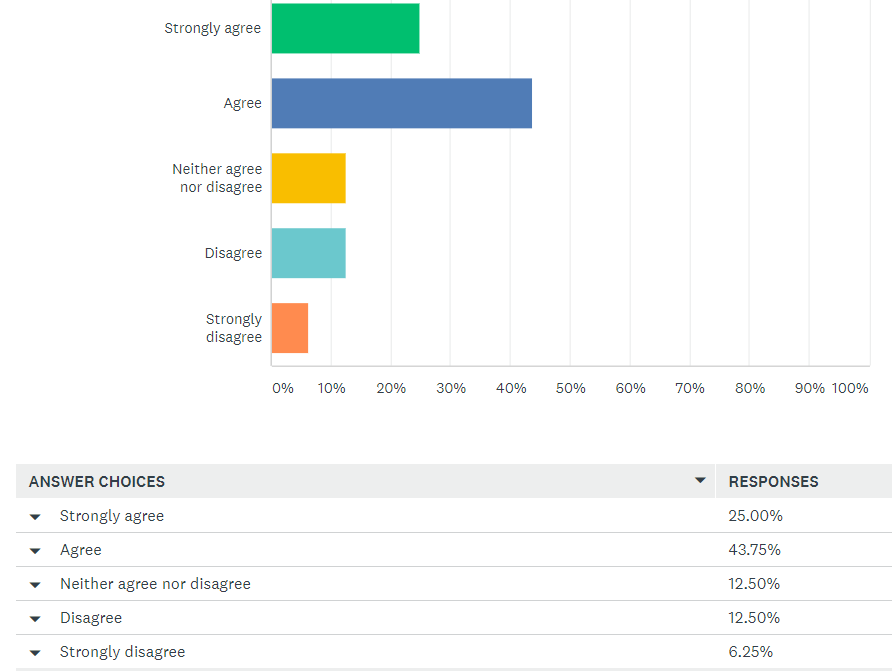
Comments:

  • Again, fact dependent.  May not work in some scenarios.

  • Agree with the caveats raised above regarding MMI evaluations on orthopedic claims.

  • Agree within the limitations described above.

  • E.g., we believe psychiatric evaluations could be performed via telemedicine.

  • Everyone is impacted, even DWC offices are now closed, so no settlement for a while.  What good would a telemedicine evaluation accomplish?

  • I agree with allowing.

  • It does not seem appropriate that a med-legal evaluation is performed via webcam or other device. There should not be a delay in the reporting itself from date of exam, but would cause a delay in evaluation timing.  It’s unclear how many injured workers would be capable of being evaluated this way and may have little impact on the overall issue at hand.

  • It seems appropriate for some and not others.  See above.

  • It would be dependent upon the condition.

  • The claims personnel I polled feel that during this crisis claimants are not able to get to their PT, acupuncture, and some regular evaluations, but loosening just the med legal process will not stop the other roadblocks preventing progress on a case.  They think this will create other admin issues.

  • Upon agreement of parties.

  • WCAB does not seem to care what the DIR allows in terms of Telemedicine.  I’d want an En Banc opinion from the WCAB saying that such reports would be admissible.  Otherwise, we are wasting our time and money by allowing them to proceed and generate reports that may not be admitted into evidence.

  • We should be able to reserve the right to an objection for a poor work product; and entitlement to a second evaluation if needed, but we support the effort.


Question 6:  The timeframe for an Agreed Panel QME or QME who cancels an evaluation to reschedule the appointment per 8 CCR §34(e) should be extended to a date within 60 calendar days of the cancellation and not more than 90 days from the original request for an appointment (i.e., a 30-day extension of this regulation), unless the parties agree to a longer period. 
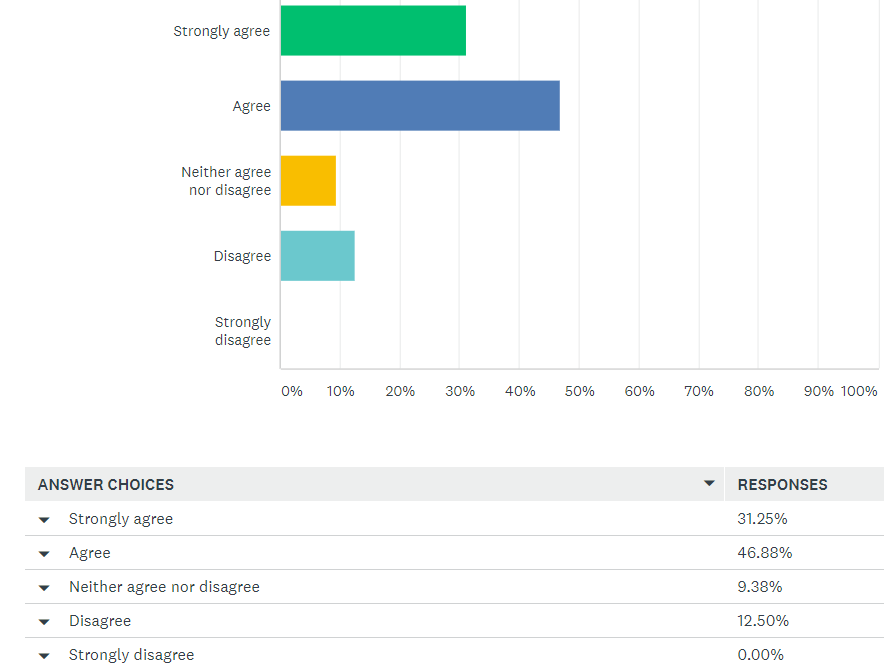
Comments:

  • 30 days may be short, more realistic would be 30 – 90 days for simple injuries and up to 180 days for more complex injuries.

  • All clear plus 60 days?  This may be difficult to achieve for many QMEs.

  • Any such extension should be temporary due to the current situation.  We should revert back to the old standards when possible.

  • As long as there is a statewide “shelter in” order, all evaluations should be extended.  There should not be a hard deadline b/c no one knows how long it will take for everything to get back to normal.

  • No extension should be granted if the exam is to be done virtually.  Extension is appropriate if the exam is to be done in person.

  • Should be same timeframe.

  • We would be in favor of adjusting rules to allow QME appointments to be moved out further and more easily.


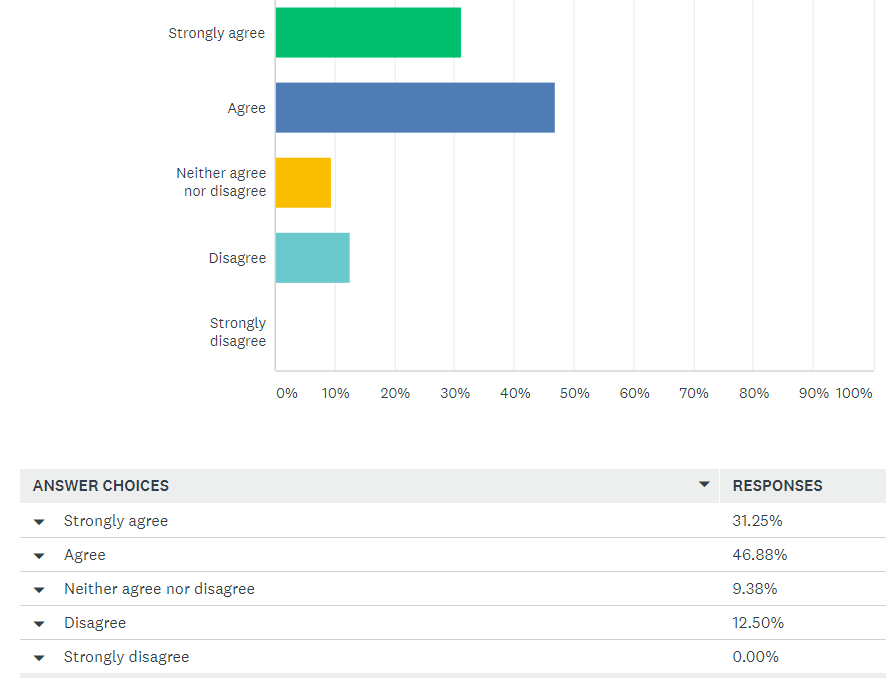
Question 7:  An AME evaluator who cancels an evaluation shall reschedule the appointment per 8 CCR §34(f) within 90 days of the cancellation, unless the parties agree to a date no more than 30 calendar days beyond the 90-day limit (i.e., a 30-day extension of this regulation).
Comments:

  • All clear plus 90 days?  This may be difficult to achieve for many AMEs.

  • Any such extension should be temporary due to the current situation.  We should revert back to the old standards when possible.

  • No extension should be granted if the exam is to be done virtually.  Extension is appropriate if the exam is to be done in person.

  • Should be same as current.

  • There should be no cap to the extension length.

  • We would be in favor of adjusting rules to allow QME appointments to be moved out further and more easily.


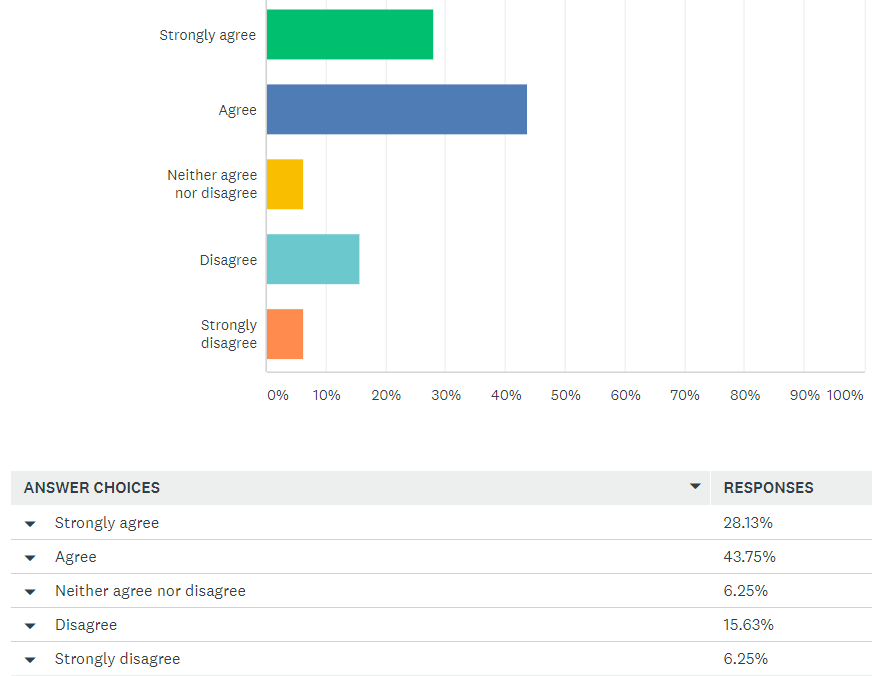
Question 8:  The 60/90-day timeframes for the requesting party to obtain a QME appointment per 8 CCR §31.3(e) should be replaced by 90/120-day timeframes (i.e., a 30-day extension of this regulation). 
Comments:

  • Any such extension should be temporary due to the current situation.  We should revert back to the old standards when possible.

  • Claims personnel I polled feel that neither party should be pushing the med-legal process because  people cannot get to their appointments.

  • Extension times may need to be adjusted based on the progress of the virus and resulting government restrictions.

  • For a limited time during the COVID-19 crisis.

  • I don’t think we should change the timeframes permanently.  I think most claims administrators and attorneys will flex on these timeframes during this crisis.  Perhaps the better route would be to provide the Medical Unit with the authority to decline to issue a new panel QME where the parties are just looking for an excuse to get a different doctor.  If the reason is just because the exam couldn’t be done within the timeframes due to the pandemic, allow them to decline the request.

  • It is difficult to know when we can realistically expect some return to normalcy.

  • There are already too many delays.

  • This is assuming panels would continue to be issued.


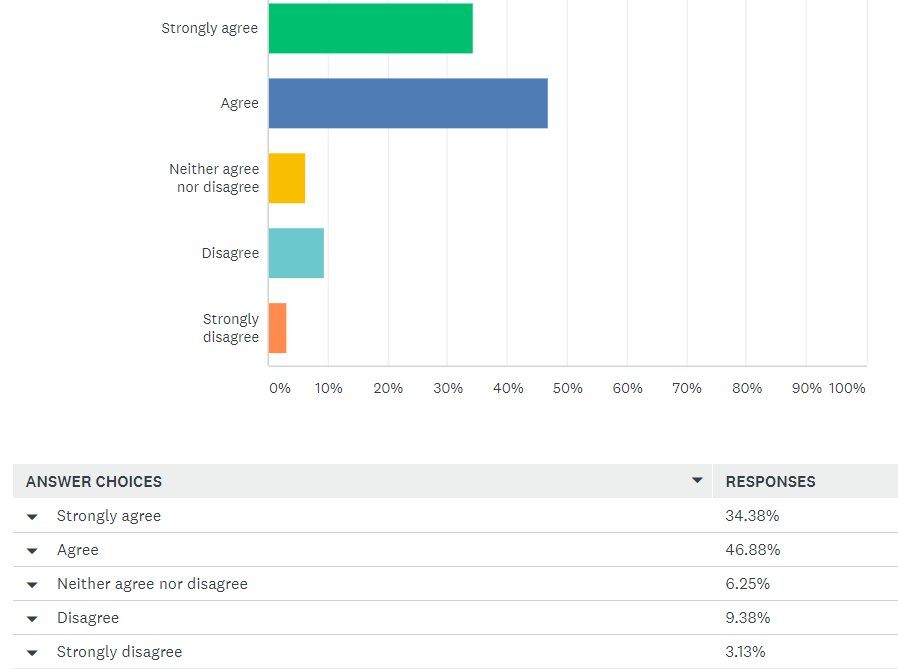
Question 9:  The requirement that the initial QME evaluation take place at the location listed on the Panel Request form should be waived.
Comments:

  • Appointments can be rescheduled due to the current crisis.  Tracking this will be problematic.

  • For a limited time during the COVID-19 crisis.

  • However, if it’s not convenient to the worker, I’m not sure how that will play out. Something to think about.

  • If parties agree.

  • Reasonable commute.

  • See comments regarding telemedicine.

  • We agree assuming this means that this will facilitate telemedicine appointments.  If telemedicine does not apply then the appointment location requirement should continue to apply.

  • We would be willing to provide transportation lodging and food for all reasonable alternative locations.

  • Would consent to Telemedicine, but not alternate locations, as this could open Pandora’s box and cause additional issues with a negative claim impact.


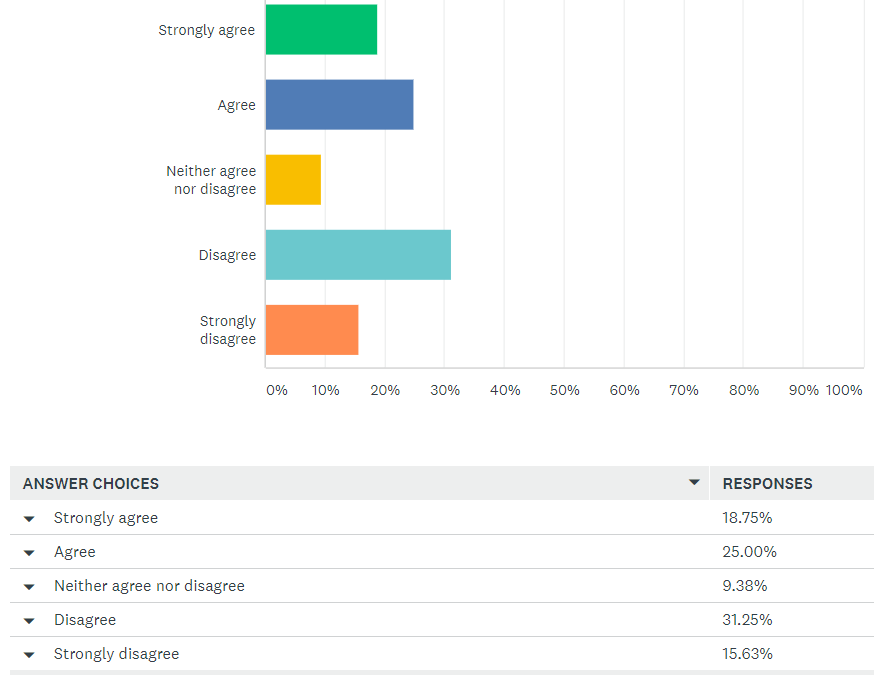
Question 10:  The 30/60-day timeframes for the med-legal physician to issue initial/supplemental reports per 8 CCR §38 should be replaced by 90/120-day timeframes (i.e., a 30-day extension of this regulation). 
Comments:

  • Absolutely not, the reports are needed soon after the exam.  In my opinion, the report timeframes should be shortened.

  • For evaluations that have already taken place?  Absent a delay in receiving records or in completing diagnostics, why would the QME/AME need more time?  They may actually have more time available to complete reports if they are not currently completing evaluations.

  • Not sure why we would do this. Once they see the employee, why would they need more time?

  • The doctors have reports that are pending.  This time allows them to clear their backlog so when things return to normal, they are able to quickly generate reports.

  • They should get the work done.

  • We are ok with extending the timeframes 30 days to 60/90, but not to 90/120.

  • With doctors having a harder time seeing patients or seeing fewer patients due to social distancing, they should have more time to write reports.


Question 11.  Do you have any suggestions or issues concerning questions of AME/QME reimbursement?

Comments:

  • Are you referring to missed appointment charges?

  • Charges for medical record review must be verifiable, submitted under penalty of perjury and disputable.

  • Excessive ML billing, fee schedule should be revised

  • Getting the appointments completed is my only concern.

  • I am concerned about requests for additional payment due to use of telemedicine.  I would not support this increase in payment.

  • I believe that this should be responded to upon completion of appropriate study.  If market adjustments to meet competitive costs for similar services in California, then yes, adjust to continue to draw members of the medical profession to filling these needs.

  • I would keep the same reimbursement rates in order to complete the evaluations.

  • If this is related to missed or cancellation fees, this should be considered a business interruption cost and not passed on to the carrier.  There will already be a cost associated with continued disability while awaiting another appt.

  • No add-on fees because they are handling telephonically.

  • No comment.

  • No, as long as the AME/QME addresses the concerns set forth in the cover letter, along with all other regular issues, as well as timely submission of the report

  • Reimbursement should be increased in situations where the evaluator has to spend more time or has increased expense to complete the evaluation due to alternative arrangements.  I would not reduce reimbursement for telemedicine because it could further reduce the pool of qualified evaluators.

  • Reimbursement should not be affected by COVID-19 issues. The QME/AME reimbursement schedules should apply.

  • Reimbursements should not be changed other than the cost of “facetime.”

  • We are processing all bills as usual.


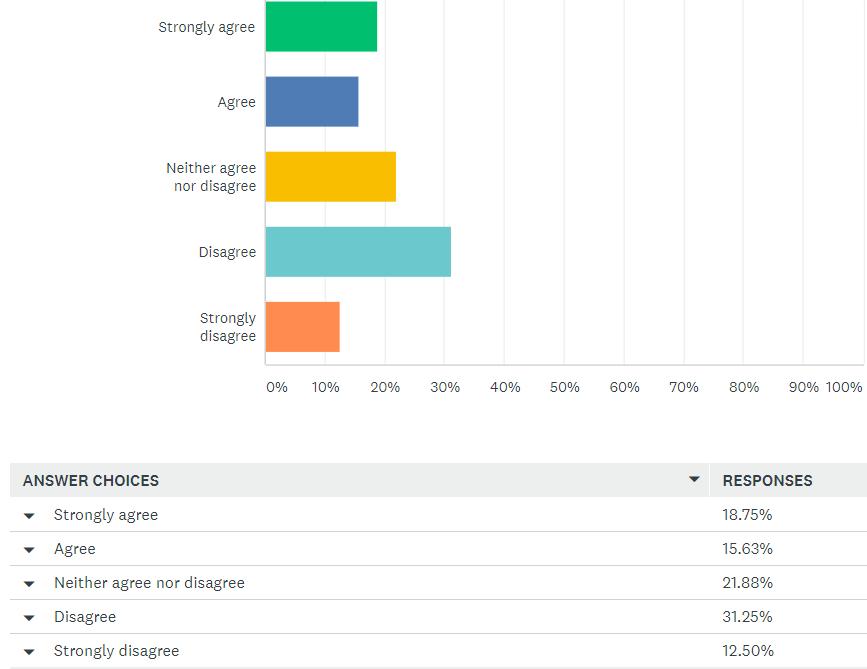
Question 12:  The current health crisis and Shelter-in-Place directive have disrupted your organization’s ability to meet statutory deadlines for delay/denial letters, benefit notices, Explanations of Review, etc.
Comments:

  • Business resumption plan contemplated work would be processed in other offices. With shelter at home we have no back office support to print, scan, handle mail, etc.  Work-from-home adjusters can timely handle benefits and claims, but mandatory notices will be delayed pending our ability to return to our offices. PII and PHI concerns working remotely as well. 

  • Currently, the health crisis and associated social distancing requirements have not impacted the ability to meet statutory timeframes.  As the crisis develops there may be an impact on staffing. 

  • Disrupted, but all operations are functioning.

  • For now, we have normal remote function capabilities.  However, physical mail will become an issue with the statewide shelter directive.  This will delay UR and other critical timeline deadlines.

  • Haven’t see this yet. 

  • It is definitely more complicated. 

  • Not as of yet. 

  • Not at this time 

  • Not seeing disruptions in those areas. 

  • Claims team is 100% remote capable; continues to operate at 100% capacity despite work from home order. 

  • People are working from home w/o access to printers & regular mail service has stopped. We are trying to move all correspondence to e-mail, payments to direct deposit, etc. but this is difficult as not all files have email addresses, nor bank accounts for direct deposit, and email encryption process can be cumbersome, etc. 

  • To date we have not noted an issue.  But we are early into the process and business impacts remain to be seen.  We are not able to make predictions at this time. 

  • We are a remote workforce and we were built for situations like this. Our contingency plan is fully operational and we are slightly affected by the shelter in place order. 

  • We are moving to a 100% work from home status.  Almost there, only 3 in the office.  The DWC needs to adopt changes in the requirements as carriers, TPAs and employers move to this new work environment. 

  • We are unable to properly staff the offices with clerical help to adjust to the requirements for sending benefit notices.  We have instructed adjusters to call the employee to explain any change in benefits and to send via email if they are willing to provide an email address.  We will document the letters sent in this fashion in our claims system.  Explanations of Review, bill payment, and disability payments are not disrupted. 

  • We have a skeleton workforce receiving and uploading mail; our bill review vendor has confirmed they will be able to continue services of processing EOBs and recommended payments; the WC Reps are able to work remotely. 

  • Workarounds are in place for proof of service and physical mailing requirements, but these may be at risk due to expansion of shelter-in-place. 


Question 13:  Please use this box to raise other urgent concerns outside of QME-related issues.

Comments:

  • Accessible medical treatment, business downturn, benefit delivery, employees filing claims where employee has shut down.

  • Aging workforce (Public Safety).  COVID-19 compensability.  Access to medical care.  CT claims and the low threshold of compensability that exposes employers to non-industrial disease processes driven by comorbidity factors.  Application of Kite, Hikida, and use of voc experts to establish 100% findings.

  • Availability of medical providers for Workers’ Comp treatment in current environment.

  • Difficulty in getting IMR records to Maximus in the 10-day timeframe.

  • DWC should issue a directive to all administrators to issue 2 – 3 months indemnity payments in one lump sum versus weekly ongoing payments.  When the virus peaks, there may be a big shortage of claims professionals to issue ongoing payments.

  • Having said that we are able to function now, the longer the crisis continues the more likely we could experience statutory compliance issues and would like the DWC Audit Unit to apply a reasonableness standard given the pandemic.

  • I want things to continue moving and if telemedicine is the way to go, we should be allowed to utilize it in certain situations.

  • Too many AME/QME reports that don’t address the relevant questions which cause unnecessary requests and billing for supplemental reports.  They need additional training on apportionment.


BY/

We’re in the process of rolling out updates and improvements.

This feature will be restored shortly.

For assistance, please email us at